




We Speak Pool and Spa.
We Got You.
How to Winterize a Hot Tub (or Keep It Running) Through a Cincinnati Winter
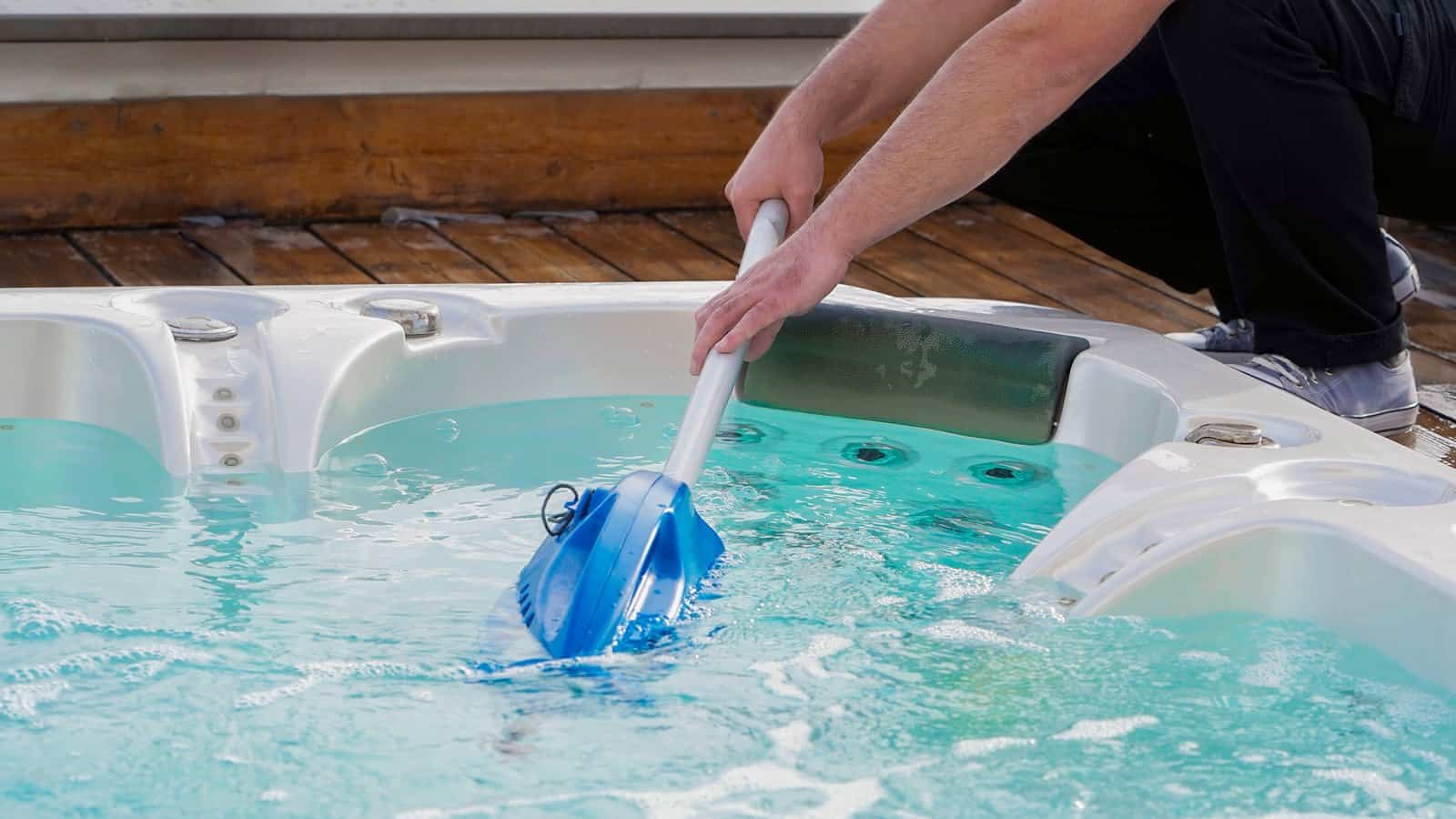
Every November the same call comes in to the store on Reading Road. Someone is heading south for the winter, or they bought a house with a spa nobody has touched since August, and they want to know how to winterize a hot tub before the cold sets in. The honest first answer surprises most of them: in Greater Cincinnati, the safest hot tub in January is usually the one that is full, hot and running. Draining one is the right call in a few specific situations, and done halfway it is the single most expensive mistake a spa owner here can make.
We have sold and serviced hot tubs from the same Evendale showroom since 1966, and we have seen what a Cincinnati winter does to both kinds of spa: the one left running and the one shut down. This post walks through the decision first, then the full shutdown step by step, then how to carry a running spa through our freeze, thaw, rain and freeze again weather without a surprise in March.
The short version
- Most Cincinnati hot tub owners should not winterize. A full, heated, covered spa protects its own plumbing. Shut it down only when nobody will be around to keep it running for a month or more, or the property will sit empty.
- If you do winterize, every line has to be empty, not just the tub. The water that cracks a fitting is the cup left in a pump housing or a low jet line, and a half drained spa is in more danger than one left running.
- Do the work on a dry day above freezing, before the first hard freeze. Water left standing in an open line during a cold snap can freeze while you are still draining.
- Only spa or RV antifreeze (propylene glycol) ever goes in a hot tub, never automotive antifreeze, and it is flushed out completely before anyone soaks again in spring.
- Keeping it running through winter comes down to four habits: hold the temperature, keep the water level up, keep the cover strapped and cleared of snow, and save the full drain and refill for a mild stretch.
Should you winterize a hot tub in Cincinnati or keep it running?
Keep it running unless you have a reason not to. A full, heated, covered hot tub keeps warm water moving through its own plumbing, the best freeze protection it has. Winterize only when the spa will go unattended for a month or more, the house will sit empty, or long power outages are a regular problem.
The reason is the way our winter actually behaves. Greater Cincinnati and Northern Kentucky do not get one long deep freeze. We get a hard snap, a thaw, two days of cold rain, and another snap, sometimes all in the same week. A running spa does not care. Its heater and circulation pump keep the water in every line above freezing, and a good cover holds that heat in. The cost of doing that is modest for a well insulated spa, and we went through what actually drives the winter bill in our post on hot tub running costs in an Ohio winter.
A drained spa, on the other hand, has to be perfectly dry to be safe, and perfect is a high bar on a cold deck with a wet/dry vac. The shutdowns that go wrong are almost never the ones where someone forgot the whole job. They are the ones where someone did ninety percent of it and left a few cups of water in a pump wet end or a footwell jet. Our weather then freezes that water, thaws it, and freezes it again, working the fitting a little looser each time until it lets go in February and nobody notices until the spring fill.
The real question is whether anyone will be there to keep the spa running. Use the table below as the first cut.
| Your winter | What we tell Cincinnati owners |
|---|---|
| You will use the spa at all this winter | Keep it running. Winter is when a hot tub earns its keep here. |
| Away up to two weeks | Keep it running. Clean the filter, balance the water, lower the set point a few degrees if you like, strap the cover. |
| Away two to four weeks | Keep it running if a neighbor or family member can lift the cover once a week, check the water level and confirm it is heating. Otherwise winterize. |
| Away more than a month, nobody to check it | Winterize. Untended water goes bad, and a tripped breaker nobody sees is how freeze damage happens. |
| Vacant house or a spa you do not plan to use for a season | Winterize, fully, and check the cover after every storm. |
| Frequent long power outages at your address | Winterize, or keep it running with a plan for outages. Our post on how long hot tubs last in Ohio covers what to do when the power goes out in a hard freeze. |
When is the right time to winterize a hot tub in Ohio?
Winterize before the first hard freeze, on a dry day when the air will stay above freezing for the whole job and overnight. In Greater Cincinnati that usually means late October into mid November. Draining during a cold snap is the one timing mistake you cannot undo, because water left standing in an open line can freeze before you finish.
Pick the day the way you would pick a day to paint the deck. You want it dry, you want a few hours of daylight, and you want the overnight low comfortably above freezing. Most years our first real freeze lands somewhere between late October and the middle of November, but check the forecast, not the calendar. A warm first week of November followed by a hard cold front is a normal Cincinnati pattern, and the front is the deadline.
If you missed the window and the spa is already sitting in freezing weather full of water, do not drain it. Keep it heated and circulating, and do the shutdown on the next mild stretch. We get them. A spa that is running is not in danger. A spa that is half drained in twenty degree weather is.
What do you need before you start?
You need your owner’s manual, a garden hose or a small submersible pump, a wet/dry vacuum that can also blow, a plumbing line flush, filter cleaner, old towels, spa or RV antifreeze made with propylene glycol, cover conditioner, and a tarp or a sheet of plywood for the cover. Most of this is already in a hot tub owner’s garage.
The manual matters more than any list on the internet, including this one. Every spa routes its plumbing a little differently, and the manual tells you where the pump drain plugs are, how many unions sit on the heater, and whether your model has an air blower with its own lines. If you bought a Wellis, Dream Maker or AquaZen spa from us and cannot find the book, call 513-554-0000 with the model and we will tell you what that spa needs.
Two products are worth buying before the day. A line flush such as Natures Pure Spa Purge goes in while the spa is still full and running, and it strips the film out of the plumbing so you are not sealing a season of biofilm into dry pipes. And a proper filter cleaner, Sirona Filter Cleaner or Natures Pure Spa Cartridge Cleaner, lets you store the cartridges clean instead of letting them dry dirty in the garage all winter. Both are in our spa chemicals aisle.
How do you winterize a hot tub step by step?
Flush the plumbing while the spa is full, cut the power at the breaker, pull the filters, drain the shell, blow the lines out through the filter well, loosen the unions and pull the plugs at the pump and heater, vacuum every jet, dry the footwell, add spa antifreeze to the lines, close the cabinet and strap the cover.
Here is the order we give customers over the counter. Give yourself an afternoon the first time.
- Flush the lines while it is still full. Add the line flush with the jets running and let it circulate for as long as the label says.
- Cut the power. Switch the spa off at the breaker or GFCI disconnect, not just at the topside panel. A plug and play spa gets unplugged. A pump that kicks on dry will damage itself in minutes.
- Pull the filters. Take out every cartridge, soak them in filter cleaner, rinse, let them dry completely and store them indoors. A damp cartridge in a cold garage grows things.
- Drain the shell. Hook a garden hose to the drain valve and let gravity work, or use a small submersible pump to speed it up. Send the water away from the foundation and off any walkway that will ice over. If your spa has a second, lower drain for the internal lines, open that once the shell is empty.
- Blow the plumbing out through the filter well. Open every jet, set any diverter valves to the middle so all the seats are open, and put the wet/dry vac on blow into the filter standpipe. Water will spray from the jets into the empty shell. Keep going until it stops, then do it again from the other filter well if you have one.
- Open the cabinet. Behind the equipment panel, loosen the unions on both sides of the pump and the heater, and pull the drain plugs on the pump. Vacuum the water that comes out of the pipes, the pump and the heater tube. If the spa has an air blower, run the vac on its lines too.
- Vacuum every jet. Switch the vac to suction and hold the hose against each jet for ten to fifteen seconds, working all the way around the tub. This is the step people skip, and the footwell jets are where the ice forms first.
- Dry the shell. Vacuum the footwell, towel the seats and the filter well, and wipe the shell down. Clean and condition the cover while it is off. If the cover is tired, our hot tub cover replacement guide tells you what to look for.
- Add antifreeze to the lines. Pour spa or RV antifreeze into the filter standpipes and a little into each jet and fitting. It fills the low spots your vac could not reach. Propylene glycol only, never the automotive kind, and read the next section before you skip this step.
- Close it up. Put the pump plugs back, retighten the unions by hand, close the panel, set the cover, lock the straps, and lay a tarp or plywood over the top so melting snow sheds instead of soaking into the cover.
What freezes first on a drained hot tub?
The small amounts of water you cannot see: the pump wet end, the heater tube, the low jet lines in the footwell and the fittings behind the cabinet panel. A few cups of water in a sealed line freeze long before an open shell, and ice expands with enough force to split a fitting or crack a pump housing.
Freeze damage almost never means the whole tub turning to ice. The shell is a big open bowl and water in it has room to expand. The damage happens in the closed spaces: a pump housing that holds a cup of water after the plugs are left in, a heater tube that drained from one end but not the other, a jet line that runs downhill to the footwell and pooled when the tub was empty. That water is trapped, it freezes solid, and it pushes outward against plastic that is already cold and brittle.
Our weather makes it worse in a particular way. Because we thaw between freezes, the same pocket of water freezes, lets go, and freezes again all winter, and a fitting that would have survived one freeze gets worked loose over a dozen. That is the whole case for the antifreeze step. The vac gets most of the water. The antifreeze takes care of the low spot you missed. Skip it only if you are certain the lines are bone dry.
How do you keep a hot tub running safely through a Cincinnati winter?
Hold the temperature instead of chasing it, keep the water level above the skimmer so the heater never shuts down on low flow, keep the cover strapped and brushed clear of snow, test and balance weekly, and schedule the full drain and refill for a mild stretch rather than the coldest week of the year.
Most of our customers never winterize, so this is the section that applies to most of you. Start with the water level. When it drops below the skimmer intake, the pump can pull air, the heater trips off on low flow, and now you have a spa full of still water in freezing weather. Top it up every time you lift the cover. A strapped cover slows that loss, and our hot tub maintenance guide has the weekly and monthly routine.
Leave the thermostat alone. Owners who turn the spa down between soaks to save a few dollars end up reheating a large volume of water from cold, which costs more than holding it. If your model has a freeze protection setting, confirm it is on. It circulates on its own when the air gets cold enough. If your spa runs on a standard outlet, read our plug and play post on what a 120V heater can and cannot keep up with in January, and plan your soak times around it.
Snow goes off the cover with a broom or a soft brush, never a shovel, and never by lifting a loaded cover. A cover that sags under wet snow lets heat out and takes on water. Water care does not stop because it is cold. Test weekly, and if the strips are confusing, bring a cup of spa water to the store. We test it at no charge any day we are open, and our beginner’s guide to hot tub water chemistry explains what the numbers mean.
The one job to plan around the weather is the full drain and refill. If the water is due in December, wait for the kind of mild, dry week we usually get at some point in January, and do the purge, drain and refill in one afternoon. Never start a full drain when a front is coming through. A short power outage is not an emergency for a full, covered spa. Leave the cover closed, keep the heat in, and check that the breaker did not trip when the power comes back. Our post on what wears out first on a hot tub goes through the longer outage in detail.
Is it okay to drain a hot tub and leave it empty all winter?
Yes, as long as it was fully winterized. An empty acrylic shell with dry lines is not harmed by cold. The risk is water getting back in: melting snow seeping through a tired cover into the footwell and freezing there, or a line that was never really empty. Check the cover after every storm and keep it tarped.
An empty spa needs two things from you between November and March: a look after each storm, and a cover that sheds water. A cover sitting on a drained shell has no warm water under it, so snow that lands on it melts slowly from the top and soaks in, which is how covers get waterlogged over one winter. That is the reason for the tarp or the plywood. After a storm, brush it off and check that the straps are locked and nothing has pooled in the footwell.
What you should not do is leave it empty and uncovered, or empty with the cover loose. Leaves, water and the occasional animal find their way in, and a footwell holding two inches of rainwater in January is a drained spa that is no longer drained.
How do you reopen a winterized hot tub in spring?
Reinstall the pump plugs, snug every union, fill through the filter well to push the air out of the lines, bring the power back, check the cabinet for drips before you trust it, then run the spa, flush out every trace of antifreeze with a drain and refill, and start fresh water with a test and a start up kit.
Before you fill, open the cabinet and make sure the pump plugs are in and the unions you loosened are snug. Fill the spa with the hose in the filter well rather than over the side, because filling through the standpipe pushes air out of the plumbing instead of trapping it, and an air locked pump is the most common first day problem we hear about. Once the water is over the jets, restore power, let it run for a few minutes, and go look at the pump and heater with a flashlight. A drip at a union now is a five minute fix. The same drip found in June is not.
If you used antifreeze, it comes out before anyone gets in. Run the spa with the jets on, drain it again, and refill with fresh water. That second fill is the one you treat. Bring a sample in for a free test before you start adding chemicals, because tap water across Greater Cincinnati and Northern Kentucky varies more than people think, and the Natures Pure Spa Startup Kit gives you the balancers and sanitizer in one box. Put the clean cartridges back in after the first run.
When should you not do this yourself?
Do not do it yourself if the equipment compartment is unfamiliar to you, if you cannot get the lines to stop producing water, if the spa is already in freezing weather, or if you are not sure which fittings are supposed to come apart. A shutdown done partway is worse than no shutdown at all.
We are plain about this at the counter. Winterizing is not hard, but it is unforgiving, and the cost of getting it slightly wrong is a pump or a heater in spring. If you open the panel and nothing in there matches what you expected, stop and call us at 513-554-0000 with the brand and model. We will walk you through what that spa needs, and if you would rather not take it on yourself, ask us about your options before the first freeze instead of after it.
And if the real reason you are thinking about shutting the spa down is that it has become a chore, that is worth a different conversation. The spas on our floor today hold heat better and ask less of their owners than the one you may be nursing through its twelfth winter. Cincinnati Pool and Patio has sold and serviced hot tubs from 10731 Reading Road in Evendale since 1966, with Wellis, Dream Maker and AquaZen spas filled and heated to wet test in the showroom, and delivery across Greater Cincinnati and Northern Kentucky. We are open Monday through Saturday. Bring a water sample, or contact us and we will get you an answer for your spa.
Frequently asked questions
Yes, that is the right kind. RV and marine antifreeze made with propylene glycol is what goes into a winterized spa’s plumbing. Never use automotive antifreeze, which is ethylene glycol and toxic. Whatever you add in the fall is flushed out completely with a fill, run, drain and refill before anyone soaks in spring.
No. Most Greater Cincinnati owners keep their spa full, heated and covered all winter, and a running spa protects its own plumbing. Winterize only if the spa will sit unattended for a month or more, the house will be empty, or long power outages are a regular problem at your address.
It depends on the outside temperature, the wind, the insulation and how often the cover is lifted. A full, covered spa holds a surprising amount of heat through a short outage. In a hard freeze with the power out for a long stretch, open your owner’s manual to the freeze protection section and call us with your brand and model.
Yes. The steps are the same: flush, unplug instead of switching a breaker, pull the filters, drain, blow out the lines, open the cabinet, vacuum the jets, add spa antifreeze and cover it. Plug and play spas are lighter and simpler inside, so the job usually goes faster, but the lines still have to be empty.
Keep it heated and leave freeze protection on. Dropping the set point a few degrees between soaks is fine and saves a little. Turning the heater off, or letting the spa sit cold in freezing weather, is not. A cold, still spa is the one that freezes, so hold the temperature rather than chase it.