



We Speak Pool and Spa.
We Got You.
How to Choose a Pool Builder in Cincinnati: A Homeowner’s Guide
Choosing a pool builder is one of those decisions that feels exciting right up until it feels overwhelming. You are not just buying a pool. You are trusting a company to dig into your yard, navigate local permits, pour concrete, run plumbing and electric, and leave you with something safe and beautiful that holds up for decades. The pool itself matters. The people who build it matter more. We have been installing and servicing pools across Greater Cincinnati since 1966, and the single biggest predictor of a happy pool owner is not the brand on the liner. It is the builder who stood behind the work.
This guide walks you through how to vet a Cincinnati pool builder the way a careful homeowner should: what to look for, what to ask, and the warning signs that should send you looking elsewhere.
Why the Builder Matters More Than the Pool
Two builders can install the same model of pool and hand you two completely different experiences. One reads your yard, sets proper drainage, compacts the backfill correctly, pulls the right permits, and shows up when something needs attention five years later. The other rushes the dig, cuts a corner on the base, and stops returning calls the day the final payment clears. The product looked identical on paper. The outcome was not.
A pool is a permanent piece of your property, and in our climate it lives through brutal swings. A quality builder is really selling you three things at once: the construction itself, the local know-how to do it right for this region, and the long-term relationship that keeps the pool healthy. When you compare companies, you are comparing all three, not just a price on a quote.
Start With Local Experience in Greater Cincinnati
This is the part out-of-town and pop-up builders cannot fake. Greater Cincinnati and Northern Kentucky throw real challenges at a pool that a crew from a flatter, milder part of the country simply has not dealt with.
- Freeze-thaw cycles. Our ground freezes, thaws, and shifts all winter. A builder who understands this designs and backfills for movement, so your pool is not fighting the soil every January.
- Clay-heavy soil. A lot of local lots sit on dense clay that holds water and moves with moisture. Proper compaction and drainage around the shell are not optional here. They are the difference between a pool that lasts and one that settles.
- Hills and older neighborhoods. From the older streets near the city to the rolling lots in the suburbs, plenty of Cincinnati yards are sloped or tight on access. Experience tells a builder whether your yard is a candidate for a full inground dig, a semi-inground pool, or something else entirely.
- Multi-county permitting. Hamilton, Clermont, Warren, and the Northern Kentucky counties each run their own permit and inspection rules. A local builder already knows the process, the inspectors, and the barrier codes.
When you talk to a builder, ask how long they have worked specifically in our area and how they handle our soil and winters. A confident, specific answer is a very good sign. A vague one tells you plenty.
Confirm Licensing, Insurance, and Permits
This is the non-negotiable section. Before you get anywhere near a contract, confirm the basics that protect you and your property.
- Proper licensing. A legitimate builder operates as a registered business and meets the contractor requirements for your jurisdiction. Ask, and expect a straight answer.
- Liability insurance and workers’ compensation. Crews work with heavy equipment in your yard. You want real coverage in place so that an accident on your property never becomes your problem. Ask to see current certificates.
- Permits pulled in your name and theirs, correctly. A quality builder handles the permit process and schedules the required inspections. If a company suggests skipping permits to save time or money, that is not a shortcut. That is a liability that follows you when you sell the home.
Pools also carry safety requirements, including compliant barriers and self-latching gates, plus inspections at key build stages. A builder who treats those as a normal part of the job, rather than a hassle, is showing you how they operate.
Look at Real, Local Work
Anyone can post pretty photos. You want proof of finished pools in real backyards near you, ideally ones you can stand next to or hear about from the homeowner.
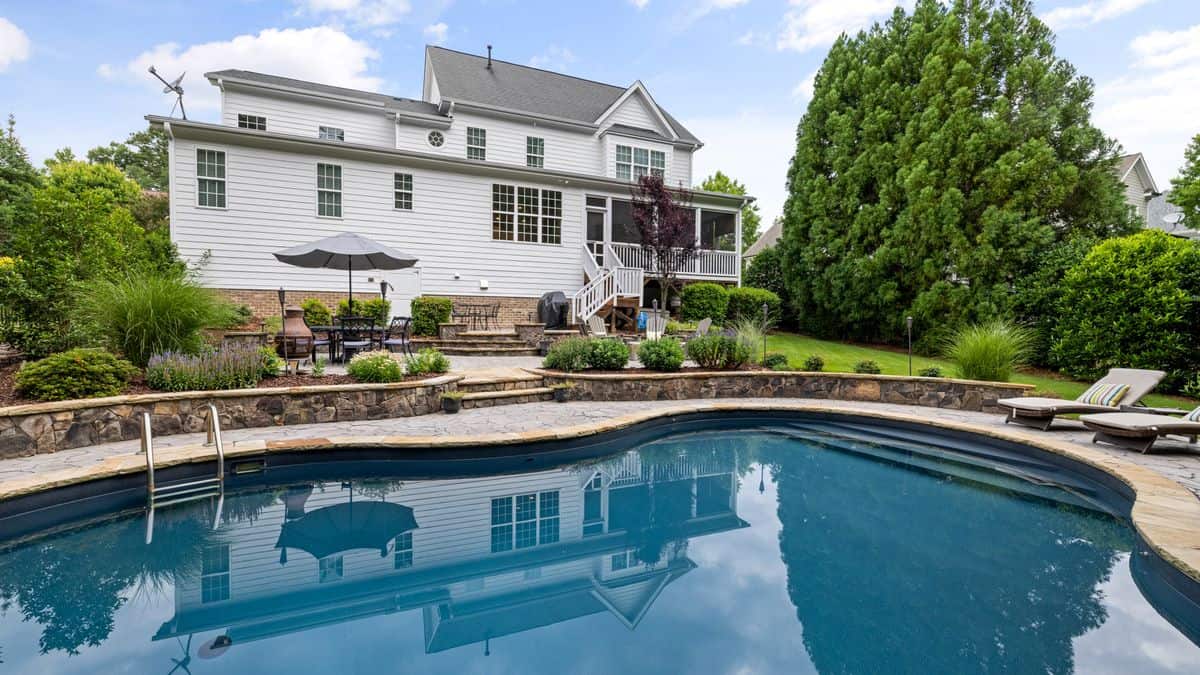
- A portfolio of completed installs. Look for variety and for pools that resemble the project you have in mind. Our own project gallery is a good example of what finished local work should look like.
- Honest references and reviews. Read what neighbors say, and notice how the company responds to the occasional less-than-perfect review. A thoughtful response often tells you more than a wall of five-star ratings. Real customer stories carry weight.
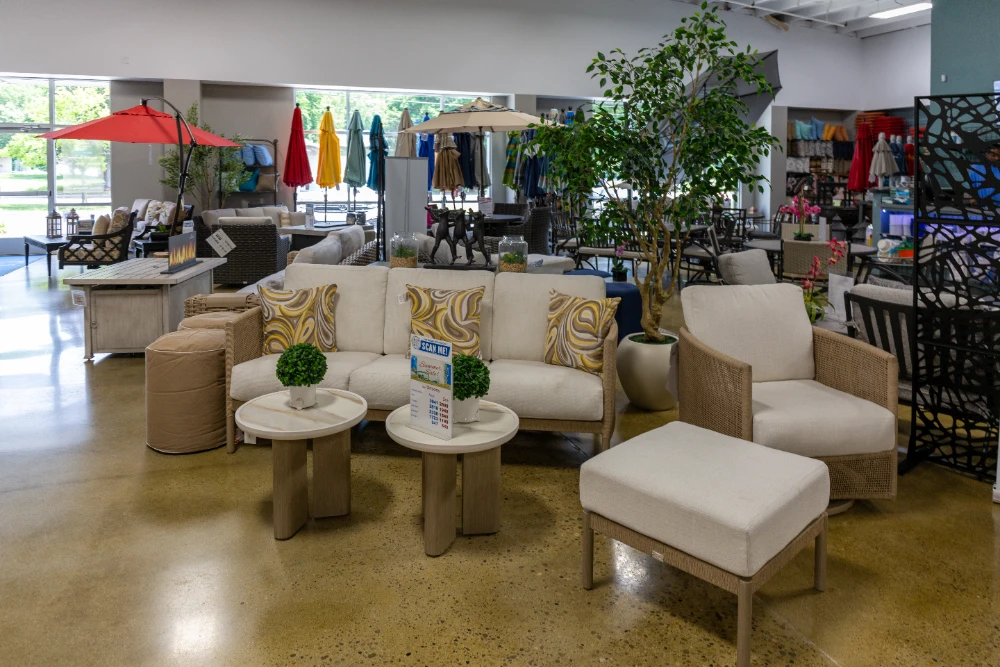
- A physical showroom. A company you can actually visit, with staff who service what they sell, is a company that plans to be here next season. That permanence matters when you need a part or a question answered years down the road.
Understand What You Are Actually Buying
A good builder helps you match the pool to your yard, your family, and how long you plan to stay, rather than pushing whatever has the biggest margin. Around Cincinnati, most residential projects fall into a few categories, and the right answer depends entirely on your situation.
- Inground vinyl liner pools. The most popular choice in our region for good reason. Steel-wall construction with a vinyl liner gives you custom shapes, a comfortable feel underfoot, and a build that handles our freeze-thaw conditions well. Explore inground vinyl liner pools if you want a true custom backyard.
- Semi-inground pools. A smart middle ground for sloped or tricky lots, blending an inground look with a faster, less disruptive install.
- Above-ground pools. Fast, flexible, and easier on the budget and the yard, especially for families who want to enjoy the water soon. See the current above-ground pool options.
A builder who walks you through the tradeoffs honestly, including the downsides of each, is one worth trusting. You can browse the full range of pool options to see where your project might land.
The Questions to Ask Before You Sign
By the time you are comparing two or three companies, the right questions will separate them quickly. Bring this list to every conversation:
- How long have you been building pools in the Greater Cincinnati area specifically?
- Are you licensed and insured, and can I see current certificates?
- Who pulls the permits, and which inspections will my project need?
- Will the crew working in my yard be your employees or subcontractors, and who supervises them?
- How do you handle our clay soil, drainage, and freeze-thaw conditions?
- What is the realistic timeline, and what could push it?
- What exactly does the warranty cover, on the structure, the liner or surface, and the equipment, and for how long?
- Do you handle service, openings, and closings after the build, or do I find someone else?
- Can I speak with a few recent local customers?
- What is included in this quote, and what is not?
You are not being difficult by asking these. A reputable builder welcomes them, because the answers are exactly why they win the jobs that careful homeowners hand out.
Red Flags That Should Make You Pause
Some warning signs are loud. Others are quiet. Watch for both.
- Pressure to sign today. A real builder gives you room to think. High-pressure, limited-time tactics are a tactic, not a deal.
- A quote that is dramatically lower than everyone else’s. Sometimes that is efficiency. Often it is a corner about to be cut, or a stack of change orders waiting to appear mid-project. Ask what is missing.
- Vague or missing paperwork. No license details, no insurance certificates, no clear written contract, or talk of skipping permits. Walk away.
- A large cash deposit up front. Be cautious with anyone who wants most of the money before work begins.
- No local footprint. No showroom, no service department, no real local references. If they are hard to find before the sale, they will be impossible to reach after it.
- Dodged questions. If a builder gets cagey about soil, permits, or warranty, believe what that tells you.
What a Quality Build Process Looks Like
Knowing the normal flow of a professional install helps you spot a builder who is doing it right. A typical project moves through clear, communicated stages.
- Design and consultation. A real conversation about your yard, your goals, and your budget, followed by a plan that fits the site.
- Permitting and approvals. The builder handles the paperwork and schedules inspections.
- Excavation and structure. Careful digging to the engineered shape, with attention to our soil, then the wall structure and plumbing.
- Inspections at key points. Before backfill, before concrete, and before final use. These protect you.
- Equipment, decking, and finish. Pump, filter, and electric set correctly, then decking, coping, the liner or finish, and final grading.
- Start-up and pool school. Filling, balancing the water, testing every system, and walking you through how to run it.
Throughout, you should know what is happening this week and what depends on weather or an inspector. Clear communication is itself a sign of a builder who has done this many times. You can see how an established team frames the full scope on our services page.
Do Not Forget the Years After the Build
The day your pool is finished is the start of a long relationship, not the end of a transaction. This is where a lot of homeowners wish they had chosen differently. A builder who also services pools is one you can call when an opening, a closing, a liner question, or an equipment hiccup comes up.
In our climate, seasonal service is not a luxury. Freeze-thaw cycles make a proper fall closing essential, and a smooth spring opening sets up the whole season. Choosing a builder who handles openings and closings and stocks parts means you are never left searching for help when you need it most. That continuity is one of the most underrated reasons to buy local.
Frequently Asked Questions
Ask directly and request current documents. A reputable builder will show proof of business licensing, liability insurance, and workers’ compensation without hesitation. You can also confirm the company has a real local presence, a showroom, and a service department. If a builder is vague about any of this, treat it as a serious warning sign.
Ask how long they have built pools specifically in Greater Cincinnati, who pulls permits and handles inspections, whether the crew is employees or subcontractors, how they manage clay soil and freeze-thaw, what the warranty covers and for how long, and whether they service the pool after the build. Also ask exactly what the quote includes and excludes.
Our region has freeze-thaw winters, clay-heavy soil, sloped older lots, and multi-county permitting. A builder who knows these conditions designs drainage, compaction, and winterization correctly the first time. Crews without local experience often miss these details, which can lead to settling, drainage problems, and costly repairs down the road.
Watch for high-pressure sales tactics, a price far below every other bid, missing license or insurance paperwork, suggestions to skip permits, large up-front cash deposits, and no local showroom or references. Any builder who dodges direct questions about soil, permits, or warranty coverage is telling you how the project will go.
Ideally, yes. Choosing a builder who also offers service, openings, closings, and parts means one trusted team supports your pool for its whole life. In Cincinnati’s climate, proper seasonal closing and opening protect your investment, so having a local company you can call is a major long-term advantage.