



We Speak Pool and Spa.
We Got You.
What to Expect From New Pool Installation in Cincinnati
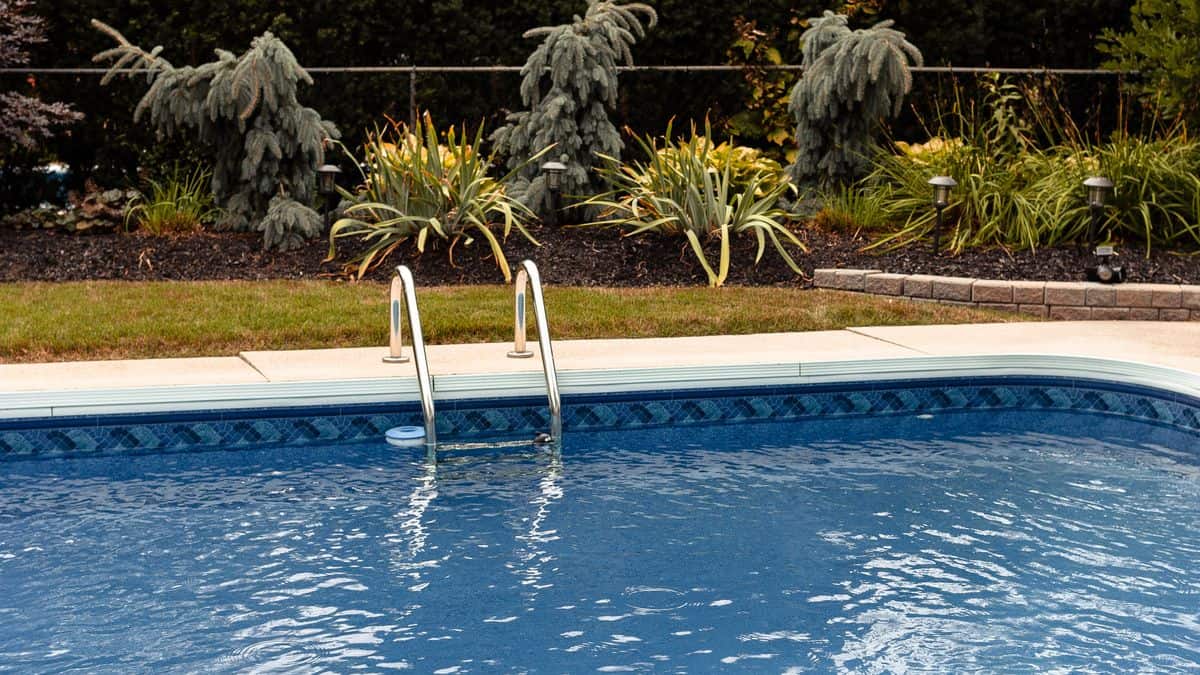
A new pool turns warm afternoons and long weekends into the easiest part of your week. If you’re thinking about installing one in Greater Cincinnati or Northern Kentucky, the smartest thing you can do before the first shovel hits the ground is understand the full process. Knowing what happens at each stage, from the first design conversation to your first swim, takes the guesswork out of the project and helps you plan with confidence. Here’s exactly what to expect when you build a backyard pool in our region.
Whoever you hire matters as much as the pool itself. Here is how to choose a pool builder in Cincinnati before you start.
Planning and Timeline: It Starts Long Before Digging
Every good pool project begins with a conversation, not a dig date. We sit down with you to talk about how you want to use the space, who’s swimming, and what your yard can realistically support. From there, the timeline takes shape. A typical new pool install moves through several phases: design and approval, permitting, excavation, structural work, equipment and plumbing, decking, then start-up.
Permitting is the part most homeowners underestimate. Local jurisdictions across Hamilton, Clermont, Warren, and the Northern Kentucky counties each have their own rules for pool permits, setbacks, and barrier requirements. Inspections happen at key points during the build, not just at the end:
- Before backfill, so the structure and plumbing can be verified while everything is still visible
- Before concrete or decking is poured, to confirm bonding and barrier framing
- Before final use, to sign off on safety fencing, gates, and the finished installation
Weather plays a real role in scheduling here. Our four-season climate means spring rains can soften a dig site and push timelines, while a dry stretch in summer is ideal for excavation. We build the schedule around these realities so you’re not left guessing. You can browse the full range of options on our pools page to start picturing what fits your property.
Designing for Your Yard and Your Lifestyle
No two Cincinnati backyards are the same. Older neighborhoods often have sloped lots, mature trees, and tight access, while newer subdivisions tend to have flatter, more open space and clay-heavy soil. A good design accounts for all of it. We look at grading, drainage, sun exposure, and how you’ll actually move around the pool before settling on a shape and size.
Your lifestyle drives the design as much as the lot does. A family with young kids wants a generous shallow end and a clear sightline from the patio. Entertainers want deck space and seating. Lap swimmers want length. For many local homeowners, an inground vinyl liner pool hits the sweet spot of custom shape, comfortable feel underfoot, and a build that works well with our soil and freeze-thaw conditions.
This is also where we plan the practical pieces that make ownership easier down the road: equipment pad placement, energy-efficient pumps, and where safety fencing and gates will run. Designing these in from the start beats bolting them on later.
What to Expect During Installation
Once the permit is in hand, the visible work begins, and it moves through clear stages. Excavation comes first, shaping the hole to the engineered plan. In our region, the dig crew pays close attention to soil. Cincinnati’s clay holds water and can shift with moisture, so proper compaction and drainage around the shell matter for the long-term life of the pool.
After excavation, the structural and plumbing work goes in, followed by that critical pre-backfill inspection. Then comes backfill, the equipment set, electrical bonding, and decking. Here’s the general order most installs follow:
- Excavation and grading to the engineered shape
- Wall panels or shell set, plus plumbing rough-in
- Pre-backfill inspection, then backfill and compaction
- Equipment pad, pump, and filtration installed
- Electrical bonding and the pre-concrete inspection
- Decking, coping, liner or finish, and final grading
Communication is everything during this phase. A reputable installer keeps you in the loop on what’s happening this week and what depends on weather or an inspector’s schedule. If you ever want a sense of the full scope of what a build and ongoing support look like, our services overview lays it out.
Budget, Financing, and the Real Cost of Ownership
A pool is an investment, and a smart buyer looks past the build itself to the cost of owning it over the years. We won’t quote numbers here because every project is different, but we will tell you honestly what drives cost and what saves you money long term. Size, finish, decking, and add-ons like heating or automation all factor into the upfront figure. Financing options exist to spread that out, and we’re glad to walk you through what’s available.
Ongoing ownership is where good planning pays off. The biggest levers are:
- Energy-efficient variable-speed pumps that cut electricity use compared to old single-speed models
- A quality cover that reduces heat loss, evaporation, and chemical use
- Proper opening and closing each season to protect equipment from freeze damage
- Steady, balanced water chemistry that prevents costly surface and equipment issues
Building these efficiencies in from day one means lower bills and fewer surprises for as long as you own the pool.
Getting Ready for Late Summer and Fall Swimming
Plenty of homeowners start the process in spring or early summer and worry they’ve missed the season. You haven’t. A pool finished in mid or late summer still gives you weeks of prime swimming, and in our climate a heater extends that well into fall. Some of the best swimming days around Cincinnati come in September, when the air cools but the water stays warm.
Once the build wraps, start-up begins. This is a careful, multi-step process, not a quick fill and go:
- Filling the pool to the proper level with a clean water source
- Balancing the chemistry, including pH, alkalinity, and sanitizer, before anyone swims
- Testing the pump, filter, heater, and automation to confirm everything runs as designed
- Walking you through how the system works so you’re comfortable operating it
That last point matters more than people expect. A short pool school session at handover saves you a season of confusion.
Pool School, Winterization, and Year-Round Support
The handover is the start of the relationship, not the end of the project. At pool school, we show you how to test and balance your water, run the equipment, clean the surfaces, and read the signs that something needs attention. You’ll leave knowing how to keep the pool healthy on your own and when to call for help.
Then there’s winter. In the Ohio River Valley, freeze-thaw cycles are the single biggest threat to pool equipment, so proper winterization is not optional. That means lowering the water, blowing out and protecting the plumbing lines, winterizing the pump and filter, adding the right chemicals, and securing a cover. Done correctly, your pool sleeps safely through the cold and wakes up ready in spring. We handle this for homeowners every year, and you can learn more about seasonal service on our open and close my pool page.
Frequently Asked Questions
Most new pool builds take several weeks from excavation to first swim, though the full timeline including design and permitting often runs a few months. Weather is the biggest variable in our region. Spring rain can delay digging, while dry summer stretches speed things up. A clear schedule from your installer keeps expectations realistic.
Yes. Every jurisdiction across Greater Cincinnati and Northern Kentucky requires a permit for a new in-ground pool, along with inspections at key build stages and a compliant safety barrier with self-latching gates. A reputable installer handles the permitting process and schedules inspections, so you don’t have to navigate local code on your own.
Absolutely. Sloped lots and clay soil are common in our area and very workable with the right approach. Proper grading, drainage, and compaction around the pool shell handle the soil, and thoughtful design turns a slope into a feature. An experienced local installer plans for these conditions from the start rather than treating them as obstacles.
We don’t publish prices because every project differs, but ongoing costs come down to energy, water chemistry, and seasonal service. Energy-efficient pumps, a good cover, and proper opening and closing keep those costs low. The smartest savings come from building efficiency into the design and maintaining steady, balanced water year-round.
Not at all. A pool finished in late summer still delivers weeks of swimming, and a heater stretches the season into fall. Many Cincinnati homeowners enjoy warm water well into September. Starting later in the year also means you’re fully ready to open first thing next spring.