



We Speak Pool and Spa.
We Got You.
Hot Tub Buying Guide: Finding the Right Spa for Your Cincinnati Home
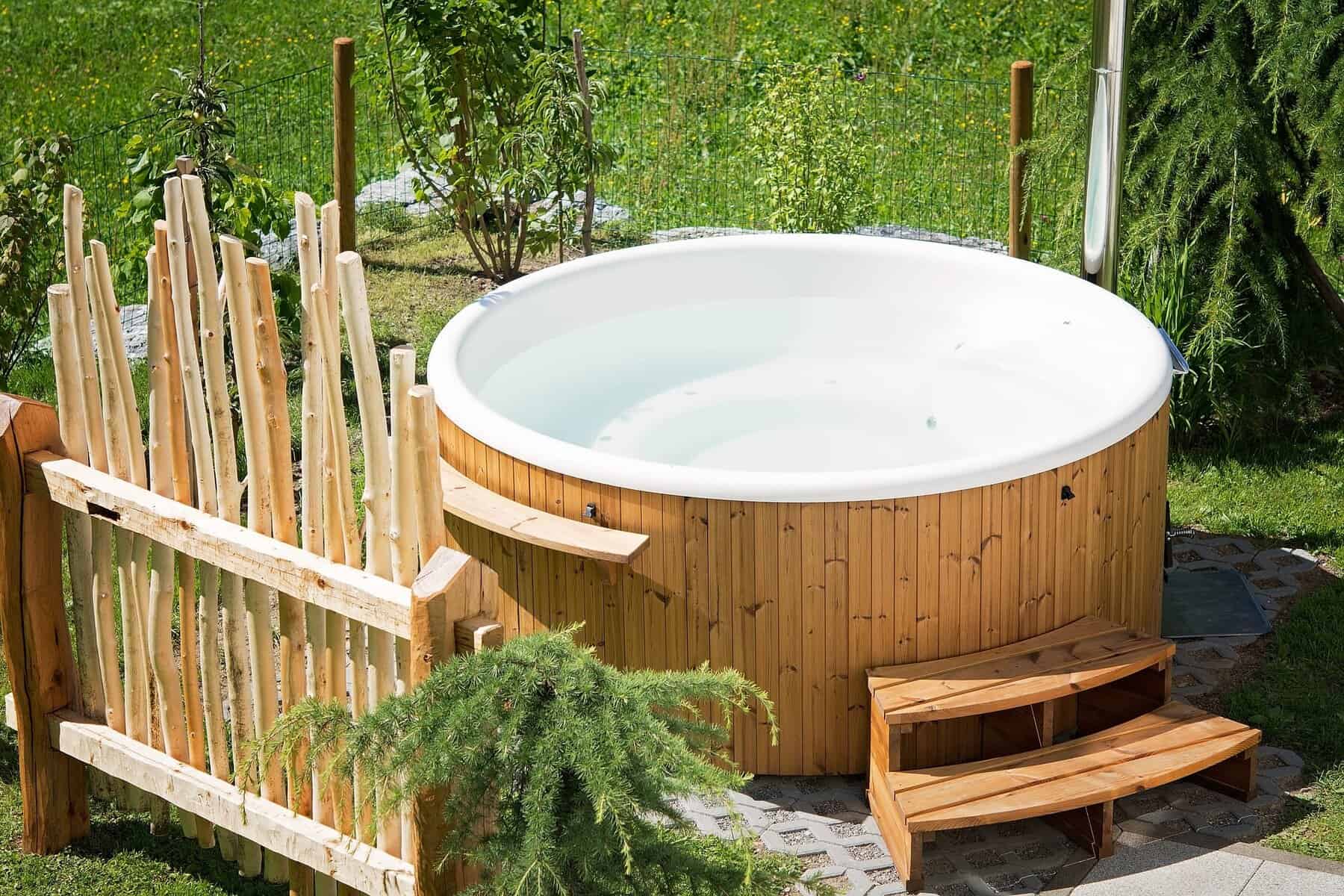
A hot tub is one of the few backyard upgrades you will actually use all twelve months in Greater Cincinnati. Summer evenings, crisp fall nights, and quiet snowy soaks all earn their place. But spas vary widely, and the right one comes down to how you will really use it. After serving families across Cincinnati and Northern Kentucky since 1966, we have learned that a smart purchase starts with honest questions, not a feature checklist. Here is everything worth weighing before you buy.
Start with size, seating, and how you will soak
Before you fall for a glossy floor model, picture who will really be in the water on a regular Tuesday night. Size is the single decision that shapes cost, comfort, and how often the tub gets used. An oversized spa you rarely fill just costs more to heat and treat, while a tub that is too small leaves everyone fighting for the good seats.
Think through these basics as you shop:
- Two to three seats: intimate, energy-efficient, and perfect for couples or small patios. These heat fast and sip power.
- Four to five seats: the sweet spot for most Cincinnati families. Room for the kids or a couple of guests without a huge footprint.
- Six to seven seats: built for entertaining and multi-generational soaks. Plan for a sturdier base and a slightly higher running cost.
- Lounge versus open seating: a lounger lets you stretch out and recline, while open bench seating fits more people and suits taller households better. Climb in before you decide, because body fit is personal.
If you are still weighing layouts, you can compare hot tub models side by side to see how seating and dimensions stack up.
Energy efficiency and insulation matter more here
This is where a Cincinnati buying guide differs from one written for Phoenix. Our winters drop well below freezing, and a spa that holds heat poorly will run its heater constantly from December through February. Insulation is not a luxury upgrade in this climate. It is the difference between a tub that is affordable to enjoy year-round and one that becomes a guilty pleasure you only fire up on weekends.
When you compare models, look closely at how each one keeps its heat:
- Full-foam or multi-layer insulation: dense insulation around the shell and cabinet traps warmth far better than a partially insulated budget build.
- A thick, well-sealed cover: the cover does more work than any other single part in winter. A tapered, tight-fitting cover sheds snow and locks heat in.
- Energy-efficient circulation pumps: a low-watt circulation pump keeps water moving and filtered without spiking your electric bill.
- Quality cabinetry and a sealed base: a fully enclosed, insulated base blocks cold air from stealing heat through the floor of the tub.
A well-built, well-insulated spa recovers temperature quickly after a soak, which means it is ready when you are even on the coldest nights.
Jets and hydrotherapy: quality over count
Marketing loves a big jet number, but jet quality and placement beat raw count every time. Fifty weak jets spraying nowhere useful will never match a well-engineered set of jets aimed at your neck, shoulders, and lower back. If you are buying a hot tub partly for sore muscles or stress relief, this is where to focus your attention.
Pay attention to the hydrotherapy details:
- Targeted seating: dedicated seats for neck, shoulder, and lumbar massage deliver real relief versus a uniform spray.
- Adjustable jets: the ability to dial pressure up or down lets each person tune their own soak.
- Pump power matched to jets: enough pump capacity to drive the jets you have, so the massage stays strong with multiple seats running.
- Variety of jet types: a mix of rotary, directional, and wide-flow jets covers different muscle groups and preferences.
Take a wet test if you can. Sitting in a tub and feeling the jets tells you more in five minutes than any spec sheet.
Saltwater versus traditional water care
Water care has come a long way, and you have more options than the harsh chlorine routine many people remember. The two main paths are traditional sanitizing and saltwater systems, and each has a place depending on how hands-on you want to be.
- Traditional chlorine or bromine: proven, affordable, and flexible. You add sanitizer and test the water regularly. It demands a little more attention but gives you precise control.
- Saltwater systems: a salt cell generates sanitizer automatically from a small amount of salt, so the water stays gentler on skin and eyes and needs less frequent dosing. Upkeep is simpler week to week, which many busy families love.
Neither is right for everyone. If you want the lowest day-to-day effort, saltwater is appealing. If you like full control and a lower upfront cost, a modern cartridge-and-sanitizer setup works beautifully. We will walk you through both based on your routine.
Year-round use, placement, and maintenance basics
One of the best reasons to own a spa in our region is that it shines exactly when the rest of the backyard goes quiet. A soak under falling snow is something a pool simply cannot offer. To make that year-round use effortless, get the placement and the routine right from day one.
For placement, keep these in mind:
- A solid, level base: a poured concrete pad, reinforced deck, or proper spa pad handles the considerable weight of a filled tub.
- Nearby power: most full-size spas need a dedicated electrical hookup, so plan the location with your electrician in mind.
- Convenience in winter: a short, cleared path from the door means you will actually use it in January. The closer to the house, the better.
- Privacy and shelter: a fence line, pergola, or section of your outdoor living space adds comfort and blocks the wind.
Maintenance is simpler than most people fear. Every spa needs routine water testing, sanitizer, clean filters, and a periodic drain-and-refill every few months. Once you settle into a rhythm, it takes only a few minutes a week. Modern cartridge and saltwater systems make it easier still, and we stock the chemicals and supplies to keep the whole thing painless.
Choosing a dealer, warranty, and the right brand
The spa you buy matters, but the people standing behind it matter just as much. A hot tub is a long-term relationship, and a local dealer who handles delivery, setup, service, and parts will save you headaches for years. Online-only deals often leave you stranded when a part needs replacing or a question comes up.
Here is what separates a dealer worth buying from:
- A real showroom: a place to climb in, compare layouts, and feel the jets before you commit.
- In-house service and parts: local technicians and stocked components mean fast fixes, not weeks of waiting.
- A clear warranty: understand what covers the shell, the surface, the plumbing, and the components, and for how long.
- Honest guidance: a dealer who asks how you will use the tub before recommending one, with no pressure.
We carry trusted, well-supported brands including Dream Maker, Wellis, and AquaZen, chosen because they build durable, energy-efficient spas that hold up through Ohio and Northern Kentucky winters. Each line offers a range of sizes and feature sets, so there is a strong fit whether you want a compact two-seater or a full entertaining spa. Browse our current hot tubs and spas to see what is on the floor.
Frequently Asked Questions
Yes, and year-round soaking is one of the best reasons to own one here. A well-insulated spa with a quality cover holds heat efficiently through Greater Cincinnati and Northern Kentucky winters. Many owners say their favorite soaks happen on cold, snowy nights when the rest of the backyard sits unused.
Match the size to who will really use it most weeks. Two to three person spas are efficient and intimate, four to five seats suit most families, and six to seven seat models are best for entertaining. An oversized tub you rarely fill simply costs more to heat and maintain, so right-sizing is the smarter choice.
Neither is universally better. Saltwater systems generate sanitizer automatically, feel gentler on skin, and need less frequent dosing, which busy households appreciate. Traditional chlorine or bromine costs less upfront and gives you precise control. The right pick depends on how hands-on you want your weekly water care to be.
It is easier than most people expect once you build a routine. Plan on regular water testing, adding sanitizer, rinsing filters, and a drain-and-refill every few months. The whole routine takes only a few minutes a week. Saltwater and modern cartridge systems reduce the effort even further.
We carry Dream Maker, Wellis, and AquaZen, all chosen for durability, energy efficiency, and strong cold-weather performance. Each brand offers several sizes and feature levels, from compact two-seaters to large entertaining spas. Our team can help you compare them in person at the showroom so you find the right fit.