




We Speak Pool and Spa.
We Got You.
Inground Pool Permits and Setback Rules in Cincinnati
Building an inground pool in Greater Cincinnati is exciting, but the shovel does not go in the ground until the paperwork is right. We have been helping Cincinnati families put pools in their backyards since 1966, and in that time we have learned that permits and setback rules trip up more first-time pool buyers than any other part of the project. The good news is that none of it is complicated once you understand how the local process works. Here is the plain-English rundown of what the City of Cincinnati and Hamilton County expect before your inground pool goes in.
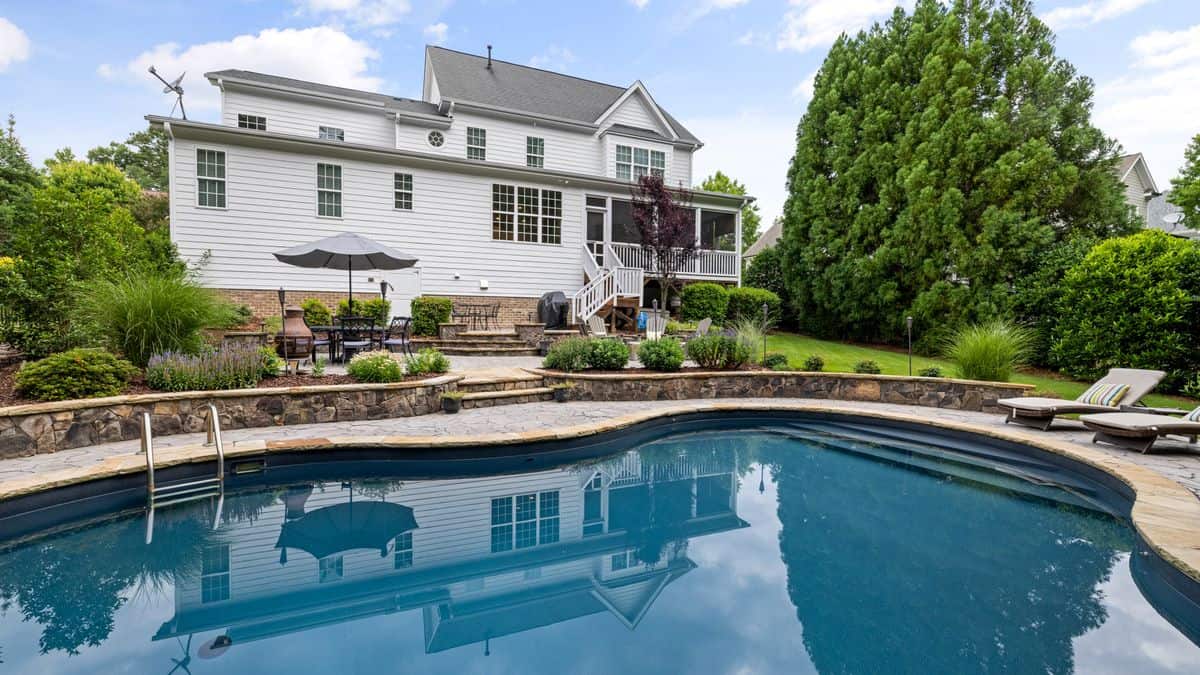
Do You Need a Permit for an Inground Pool in Cincinnati?
Yes. Every inground pool in the Cincinnati area needs at least one permit, and most need two: a building and zoning permit, plus a separate electrical permit. This is not optional and it is not a step you can skip to save a week. An inground pool is a permanent structure that involves excavation, plumbing, and electrical work, so your local building department wants a set of eyes on the plan and the finished job.
Where you apply depends on where you live. If your home sits inside Cincinnati city limits, permits run through the City of Cincinnati Department of Buildings and Inspections. If you are in one of the townships or unincorporated parts of Hamilton County, you will work with Hamilton County Building Inspections and your township or county zoning office. Suburbs such as Blue Ash, Mason, West Chester, and Anderson Township each run their own zoning review as well, so the exact counter you deal with changes from one street to the next. This is exactly why working with a local inground pool builder who already knows these offices saves so much time.
Which Permits an Inground Pool Requires
The two core permits cover different parts of the job:
- Building and zoning permit: covers the pool structure, the excavation, the deck, and the required safety barrier. Your plan reviewer checks the pool against local zoning for placement, size, and setbacks.
- Electrical permit: covers the pump, heater, lighting, and the bonding and grounding that keep the water safe. Ohio follows the National Electrical Code (NEC Article 680), which requires the pool shell, ladders, and surrounding deck to be electrically bonded. This is one area where a DIY job goes wrong fast, and it is inspected separately.
Depending on your design, you may also need a plumbing or gas permit (for a gas heater) and a barrier or fence permit if the enclosure is its own structure. A complete plan set filed once, correctly, beats three trips back to the counter.
Setback Rules: Where Your Pool Can and Cannot Go
A setback is the minimum distance your pool has to sit from your property lines, house, septic system, and any easements. This is the rule that most often forces a design change, so it is worth checking before you fall in love with a layout. A few things hold true across almost every Greater Cincinnati jurisdiction:
- Pools belong in the rear yard. Front-yard and most side-yard pools are not permitted under residential zoning.
- Expect a minimum distance from rear and side property lines. Many local codes require the pool (and sometimes the deck or equipment pad) to sit at least ten feet off the line, but the exact figure varies by community, so confirm your number before finalizing the plan.
- Easements are off-limits. Utility and drainage easements running along the back or side of your lot can shrink your usable space even when the property line is farther away.
Because the setback figure changes from one municipality to the next, we always pull the specific rule for your address rather than assume. Getting this right on paper is a big part of what a good pool builder does before the first call to the county.
Ohio’s Pool Barrier and Fence Code
Ohio takes pool safety seriously, and the barrier rules are consistent statewide under the Residential Code of Ohio. Any residential pool deeper than 24 inches must be enclosed by a barrier, and the requirements are specific:
- The barrier must be at least 48 inches (four feet) high, measured from the outside.
- Gaps at the bottom and openings in the fence are limited so a small child cannot slip through or climb over.
- Gates must be self-closing and self-latching, and they must swing away from the pool. If the latch sits lower than 54 inches, it has to be on the pool side of the gate, out of easy reach.
- If your house forms one side of the barrier, doors leading to the pool typically need an alarm or a self-latching mechanism.
This is not just red tape. Ohio’s barrier code exists because backyard drownings are preventable, and your final inspection will not pass without it. Many Cincinnati suburbs layer their own fence-height or material rules on top of the state minimum, so your fence plan is part of the permit review, not an afterthought.
Utility Locates, the Freeze Line, and Other Cincinnati Details
Before anyone digs, Ohio law requires a call to the Ohio Utilities Protection Service (dial 811) at least 48 hours ahead so gas, electric, water, and cable lines can be marked. Skipping this is both dangerous and illegal, and a licensed builder handles it as a matter of routine.
Our climate adds a couple of wrinkles too. Cincinnati winters bring real freeze-thaw cycles, so plumbing and equipment have to be installed with proper drainage and winterization in mind, and the frost depth in Hamilton County means certain footings and lines must sit below the freeze line. These regional details are what separate a pool built to last from one that cracks its first cold winter, and they carry over into how you open, close, and maintain the pool each season.
HOAs, Deed Restrictions, and Floodplains
Local government is not the only gatekeeper. If you live in a subdivision with a homeowners association, you likely need HOA architectural approval before you build, and some HOAs have their own fence and equipment-screening standards. Deed restrictions can also limit pool placement. And if any part of your lot sits in a FEMA floodplain, expect additional review. We flag all of this during planning so there are no surprises after the deposit is down.
How We Handle Permitting for You
Here is the part most homeowners are relieved to hear: you do not have to navigate any of this alone. As a Cincinnati pool builder since 1966, we manage the permit process as part of a full inground pool installation. We pull your address-specific setback and zoning rules, prepare the site plan, file the building and electrical permits, and schedule the inspections. You get a pool built to code the first time, without spending your weekends at the county counter.
If you are weighing an inground pool for your Cincinnati backyard, the smartest first step is a conversation about your actual lot, not a guess about the rules. Explore our inground pool options and reach out for a quote, and we will tell you exactly what your property allows.
Yes. Every inground pool in the Cincinnati area requires at least a building/zoning permit, and almost always a separate electrical permit as well. City residents apply through the City of Cincinnati Department of Buildings and Inspections, while township and unincorporated properties go through Hamilton County and their local zoning office.
It depends on your municipality. Many Greater Cincinnati communities require the pool to sit at least ten feet from rear and side property lines, but the exact setback varies by jurisdiction and can be affected by easements. Always confirm the rule for your specific address before finalizing the design.
Yes. Under the Residential Code of Ohio, any residential pool deeper than 24 inches must be enclosed by a barrier. Gates must be self-closing, self-latching, and swing away from the pool, and doors from the house to the pool often need an alarm or self-latching hardware.
The state minimum barrier height is 48 inches (four feet), measured from the outside. Many Cincinnati suburbs add their own fence-height or material rules on top of the state code, so your fence plan is reviewed as part of the permit.
Generally no. Residential zoning across Greater Cincinnati keeps pools in the rear yard, and front-yard or most side-yard placements are not allowed. Confirming where your pool can legally go is one of the first things we check when planning an installation.